
How Company Certification Has Evolved
Ten years of BIM certification experience. Learn how ISO 19650 certification has matured, its business benefits, and when organisations are ready.


Factoring embodied emissions into building designs is a growing area of concern in the AEC sector, with many practices now investing considerable time and resource into low carbon design strategies.
At Symetri, we're at the forefront of this movement, providing our clients with leading-edge tools. Through our exclusive partnership with One Click LCA, and our own solution Naviate Zero, users can conduct rapid embodied carbon analysis by leveraging the One Click LCA database. This setup allows users to efficiently explore various material options.
Our customers now have another tool at their disposal. The latest tool in the Forma suite is the Embodied Carbon Analysis Tool, which facilitates early-stage urban-level carbon analysis.
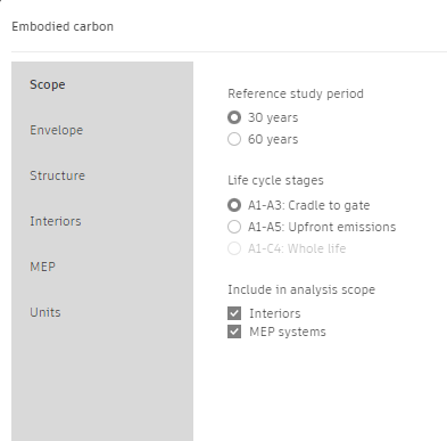
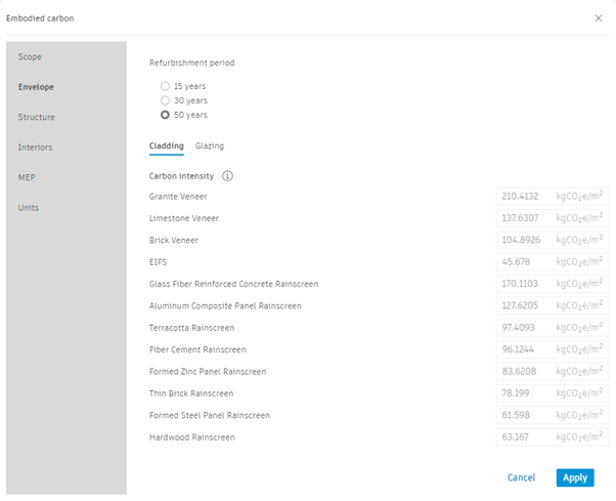
In a matter of minutes, we can set up an analysis, including factors such as a buildings service life, the scope of the analysis, applicable life cycle stages and proposed base material combinations.
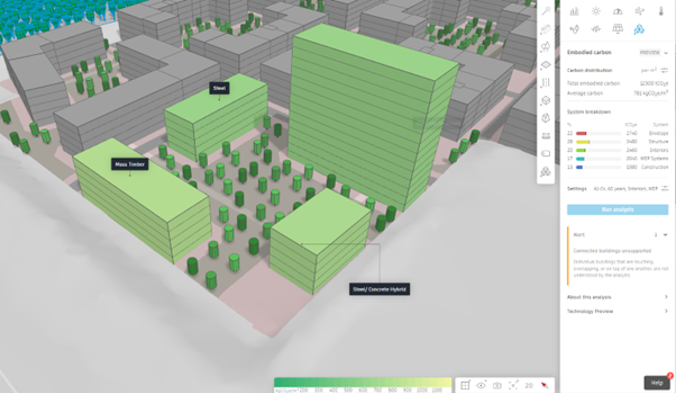
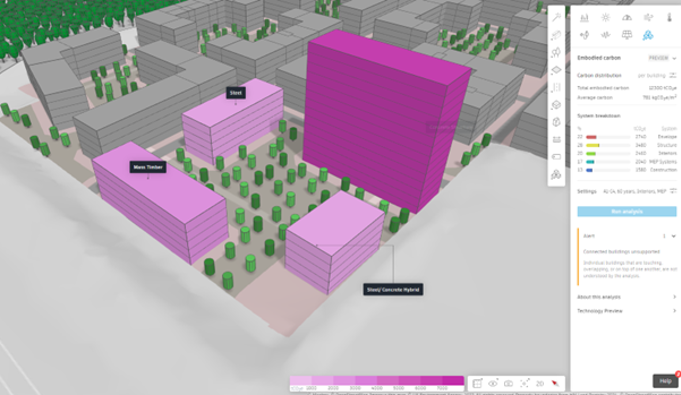
Once the analysis has been run, we get clear reporting from our proposed model including the amount of CO2 equivalent is emitted by each building, as well as being able to see how the total emissions are spread across buildings. We also get to see a breakdown of where the separate emissions are coming from.
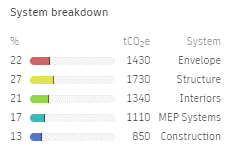
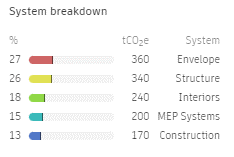
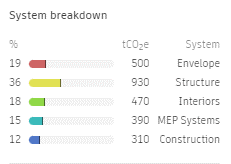


Forma utilises the ‘C-Scale’ data model to perform embodied carbon analyses in its 3D modelling environment. C-Scale is an open source data set, used widely in research and by industry leading practices including Arup, EHDD and Foster + Partners. Because data regarding embodied emissions is typically scarce during the initial design stages, C-Scale uses a time series approach to provide estimates for embodied carbon emissions across different stages of the building's lifecycle. This approach is crucial for early-stage decision-making, allowing designers to predict the carbon footprint of various materials and design choices before detailed project data becomes available.
C-Scale incorporates standardised emission factors and a comprehensive database that includes a wide range of materials and construction processes. Combining this robust dataset with Forma's 3D environment, allows architects and engineers to make informed choices that minimise the environmental impact right from the conception of a project.
Ten years of BIM certification experience. Learn how ISO 19650 certification has matured, its business benefits, and when organisations are ready.

Digital transformation is reshaping the built environment, but successful change requires more than new technology. Discover how Symetri's approach to BIM, digital delivery and organisational change has earned four nominations at the 2026 Building Innovation Awards.
If you're new to Bluebeam Max or simply want to learn more about what it can do, we've gathered answers to the questions we're asked most often.