

WHATS NEW IN THE LATEST AUTODESK RELEASE

What's new in Construction Cloud 2026: a guide to the latest features

If you weren’t able to attend our recent BIM Summit event in London, here are some of the top new ACC features that I demonstrated, and to those who did attend, a huge thank you to the great conversations at the Symetri booth, and for those kind people who packed the breakout room (literally!!), it more than made up for not being on the main stage.

To add some context, Autodesk’s Construction Cloud receives updates every 2 months, more than 40 updates each month! They range from simple user interface updates to brand new features, from Docs to Build to API enhancements. Keeping up to speed on them can be a daunting prospect. In this blog I will explore 5 of the most recent updates to the platform and what their implications are for your organisation.

What's new in Construction Cloud

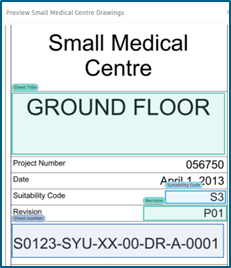
First on the list is the long awaited ability to extract metadata from drawing title blocks. This new feature will extract data from title blocks contained in PDF drawings and uses OCR to populate your custom attributes automatically. Moreover, you can create templates for use across different title block sizes and configuration.

This is especially useful for extracting data such as drawing title, revision, and suitability code, all attributes of drawings that we need but are only optional data in the naming standards feature in Autodesk Docs.

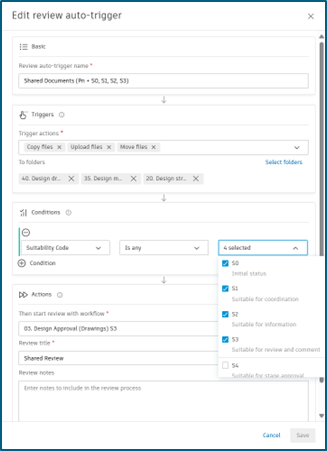
Auto triggers for review workflows were introduced some months ago, enabling documents to automatically be submitted to a defined workflow when they were uploaded. These have now been improved to include additional triggers (copy and move files) and conditions.

This opens up new possibilities for passing documents through a series of workflows seamlessly. Furthermore, dependent upon metadata, for example suitability code, different workflows can be triggered, reducing time spent manually selecting the next workflows, and removing the possibility of errors.

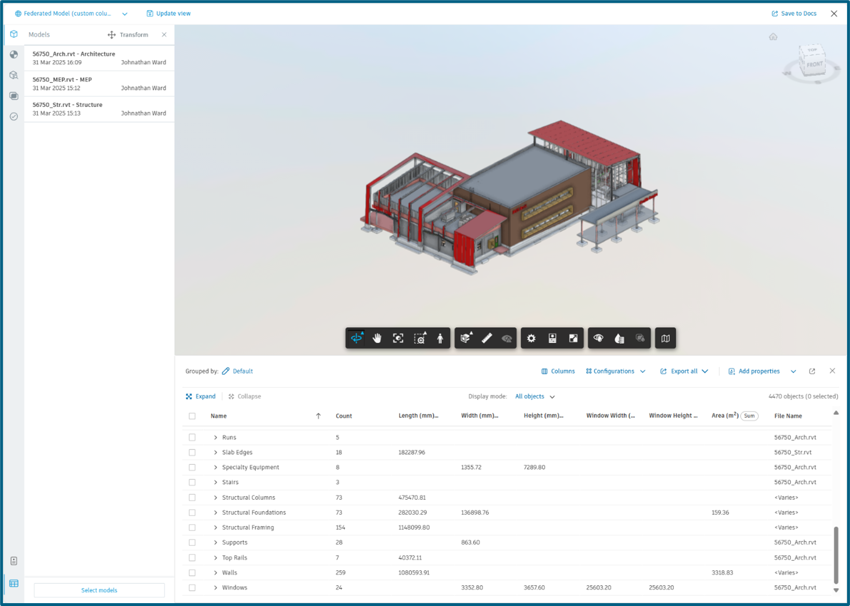
Anyone familiar with Assemble (another of Autodesk’s cloud offerings) will see the similarity in this new feature. We have always been able to select an object and view its properties but now we can see the properties of all objects in our selected models; simply select the models from your list in Model Coordination (IFC, Revit, Navisworks, and more) and open the model viewer. You’ll see the object table button in the bottom left corner of the viewer. When you select it a default set of columns will be displayed. They are a little underwhelming at first but click the “columns” button and you’ll be able to select from the combined properties of all your models instant quantities (yes, you can export the entire table direct to Excel!), or verifying object classification or COBie data (model conditioning at your fingertips). There are a host of other table options available, and these can be saved as configurations for use across different models.

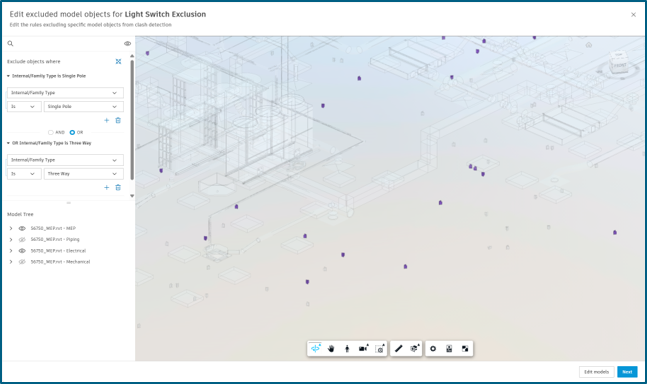
Navisworks has search sets and now Model Coordination has “Object Exclusions” or reverse search sets if you prefer. You can create a series of exclusions to remove those annoying “false” clashes and focus on the important and real ones. And what’s more, once you have created them you can import them into any of your projects and simply apply them, happy days!

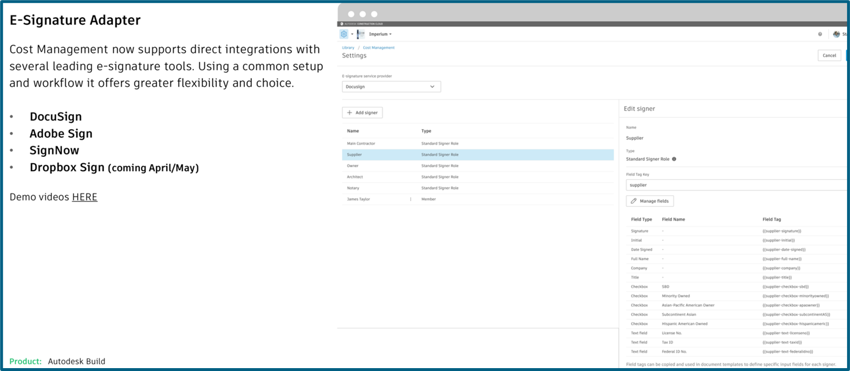
And what better way to finish than with a great new Cost Management feature? These adapters are built into the platform, no need for pesky API work (if you have the capabilities within your organisation), just select from the list and configure.

Please contact us if you would like to discuss how to effectively implement these, or any of the hundreds of recent platform improvements into your current ACC configurations.

Final Thoughts 

Autodesk Construction Cloud continues to evolve at an impressive pace, and the five standout features we’ve explored; from title block extraction to powerful e-signature integrations, highlight just how committed Autodesk is to streamlining construction workflows and enhancing collaboration. Whether you're automating review processes, refining model coordination, or simplifying document handling, these updates have the potential to significantly reduce manual effort and boost project efficiency. Staying current with these innovations can be challenging, but the payoff is well worth it. If you’re ready to take full advantage of what ACC has to offer, don’t hesitate to reach out, we’re here to help you get the most out of every update.

BOOK A DEMO Book a free demo with our consultants to find out more. BOOK NOW

How Bluebeam + GoCanvas Are Revolutionising Field Data Capture

27 February 2026

In construction, the gap between the construction site and the office has always been a challenge. But by combining Bluebeam’s powerful PDF markup tools with GoCanvas’s mobile forms, companies can finally achieve seamless documentation that flows effortlessly from site to office.

Which Bluebeam Studio Is Right for You? Cloud vs On-premise

25 February 2026

Collaboration is the backbone of modern construction projects. Whether you’re reviewing drawings, marking up RFIs, or coordinating across multiple stakeholders, having the right platform makes all the difference. This blog reviews Bluebeam Studio (cloud-based) and Bluebeam Studio On-premise. While both enable teams to work together on PDFs in real time, the choice between them depends on your project requirements, IT policies, and security needs.

21 Tips and Tricks for Bluebeam Revu Every User Should Know

24 February 2026

Bluebeam Revu is packed with powerful features that can dramatically improve efficiency in document review, markup, and collaboration. Whether you’re new to Revu or looking to sharpen your skills, these tips and tricks will help you unlock its full potential.